
22/05/2025
By Gemma Waller
Building positive relationships in prison is challenging. As a professional working with individuals who may be experiencing emotional dysregulation, the question is how to make those meaningful, impactful connections that facilitate good rehabilitative work. So, what does a good relationship look like?
It can be hard to trust in prison and as a professional, I need to help culture this trust.
Know the issues: what is the going on for them?
When I first meet an individual, I always ask where they have been and how long they have been in their current establishment. I know I can find this information from paperwork, but I want to hear it from them. Allowing someone to tell their story is powerful and gives me more than paperwork can. What is going on for the person in front of you?
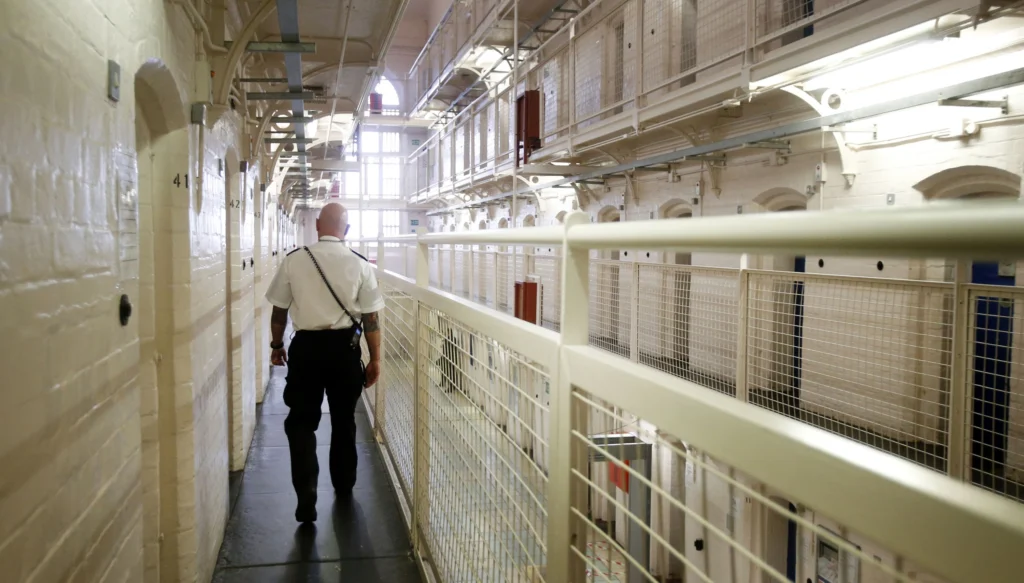
A beneficial first task is always to think about what the environment is. What are the cells like? What is the toilet situation? Prison is an extraction from your life into this aberrative microcosm. As the professional, try to accommodate for that when building a relationship. If there are issues at home that they feel helpless about, how can this impact on how they approach you? If someone is irritable, what is behind the irritability? As a professional, what signs am I seeing that would suggest the person isn’t in a great place and therefore what is achievable in the meeting?
Be consistent
When a professional is consistent it allows the individual to feel secure and helps them understand what is expected of them. Knowing that you will receive a consistent approach, makes engaging easier, It removes some of the anxiety. For people who are dysregulated or experiencing difficulties, this is the difference between participation and non-participation.
At times you do get individuals who don’t respond. I have had several men who could not engage, I know on reflection that this was possibly due to never having stability. My way of being was so unfamiliar to them that they needed to disrupt it. We all learn through modelling. If it has never been modelled for us, then how do we know to do it?
People have their own map of how things should be, and they will attempt to make things such as relationships fit that mould. Ultimately that is what keeps them safe. If you only experience chaos, calm would seem dangerous. Reflect on your interactions with the individuals you are working with and think about what their map might be and how that could potentially impact the relationship and then model the consistency.
Don’t predetermine or predict
It is important to be aware of how many predictions and predetermined judgements someone may have experienced inside and outside of jail.
When working with individuals, try to place aside internal projections of who they are. Try not to make assumptions on how they ended up in prison, turn off the internal textbook that suggested causality and actively listening to his personal narrative. Always be aware that paperwork is the culmination of someone else’s experience of the person or their theoretical evaluation. Hold it in mind because it is important but don’t let it blind you. Work with the individual on the day, not the individual on the paper
Key takeaways
Working in a prison is challenging, especially if your work is short term or no more than a brief interview.
‘Doing jail’ is hard. For someone who has been behind bars for several years, the outside world becomes the professionals they interact with. Perhaps it is our responsibility as representatives of the outside to demonstrate acceptance. Would that not then be the true facilitator of positive change?
Want to know what it’s like working in Probation?
Imperfect: The Life of a Probation Officer – a candid memoir reflecting on nearly two decades of probation work, sharing real-life cases, challenges, and the human side of criminal justice practice.